
Kinder Morgan Restores US-Mexico Gas Flows After Pipeline Outage
KMI has resumed natural gas deliveries to Mexico after pipeline repairs, restoring cross-border flows and reinforcing its role in U.S.-Mexico energy trade.
 KMI - Kinder Morgan, Inc.
KMI has resumed natural gas deliveries to Mexico after pipeline repairs, restoring cross-border flows and reinforcing its role in U.S.-Mexico energy trade.

Kinder Morgan (KMI) has received quite a bit of attention from Zacks.com users lately. Therefore, it is wise to be aware of the facts that can impact the stock's prospects.
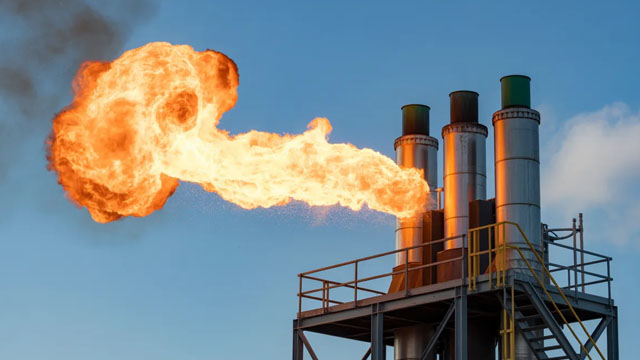
As winter approaches, shifting natural gas supply, storage trends and heating demand put CNX, EQT and KMI in focus amid hopes for a sustained price recovery.

The AI boom could transform the global economy. However, a massive, overlooked problem threatens to undermine the investment returns of some of the market's most popular stocks. I believe there is a much safer way to profit from the AI boom, and detail why I think that leading AI stocks may underperform moving forward.
Kinder Morgan (NYSE: KMI - Get Free Report) and Imperial Petroleum (NASDAQ: IMPP - Get Free Report) are both energy companies, but which is the superior stock? We will compare the two businesses based on the strength of their dividends, valuation, profitability, earnings, institutional ownership, analyst recommendations and risk. Analyst Recommendations This is a breakdown of current

Every dividend dollar sitting in a taxable account quietly hands a portion of itself to the IRS year after year, and after two decades that quiet cost compounds into a number most investors never bother to calculate until it is too late.

Kinder Morgan (KMI) closed at $32.25 in the latest trading session, marking a +1.35% move from the prior day.

A fat dividend yield means nothing if the cash runs dry before the check clears. These five companies show wildly different margins of safety, and one of them barely cleared the bar last quarter.

Kinder Morgan (KMI) has an impressive earnings surprise history and currently possesses the right combination of the two key ingredients for a likely beat in its next quarterly report.

LNG export capacity is expected to grow to meet increased demand. What does that mean for energy stocks?
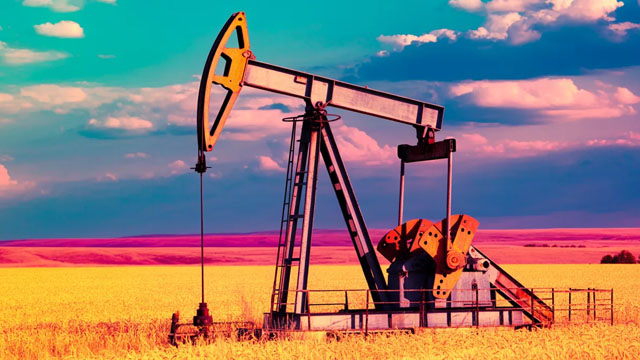
Finding stocks expected to beat quarterly earnings estimates becomes an easier task with our Zacks Earnings ESP.
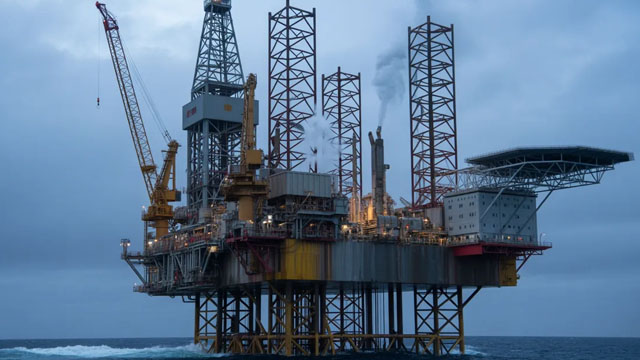
Kinder Morgan leverages a dominant natural gas network, transporting 40% of U.S. production and controlling 15% of storage capacity. KMI's $9.6 billion growth backlog, focused on LNG and power projects, is expected to add $1.6 billion in annual adjusted EBITDA by early 2028. With a sub-4% dividend yield and an 8% DCF yield, KMI maintains a strong investment-grade balance sheet and robust discretionary capital coverage.
Baker Tilly Wealth Management LLC purchased a new position in Kinder Morgan, Inc. (NYSE: KMI) during the third quarter, according to its most recent Form 13F filing with the Securities and Exchange Commission (SEC). The institutional investor purchased 21,182 shares of the pipeline company's stock, valued at approximately $639,000. Several other institutional investors
In the most recent trading session, Kinder Morgan (KMI) closed at $31.07, indicating a +1.77% shift from the previous trading day.

Midstream firms like WMB, KMI and MPLX may weather energy market volatility with stable fee-based revenues and long-term contracts that limit commodity-price exposure.

Recently, Zacks.com users have been paying close attention to Kinder Morgan (KMI). This makes it worthwhile to examine what the stock has in store.

Rising Treasury yields just knocked five pipeline and utility stocks to levels that have income investors asking whether the selloff created a buying window or a warning sign worth heeding.
Kinder Morgan (KMI) closed at $30.53 in the latest trading session, marking a +1.26% move from the prior day.
Both KMI and OKE slid hard over the past month, leaving retirement investors stuck choosing between a bigger yield and a safer payout history.

Kinder Morgan, MPLX and Williams offer resilient midstream models, backed by fee-based revenues and long-term contracts amid volatile crude prices.