
TCW Concentrated Large Cap Growth Fund Q3 2026 Winners, Laggards, Buys & Sells
CRWD's NNARR of $333m grew 50.5% YoY. NOW's subscription revenue of $3.9b increased 24.5% YoY. In South Korean equity markets, AI-related stocks were down significantly.
 INTC - Intel Corp.
CRWD's NNARR of $333m grew 50.5% YoY. NOW's subscription revenue of $3.9b increased 24.5% YoY. In South Korean equity markets, AI-related stocks were down significantly.
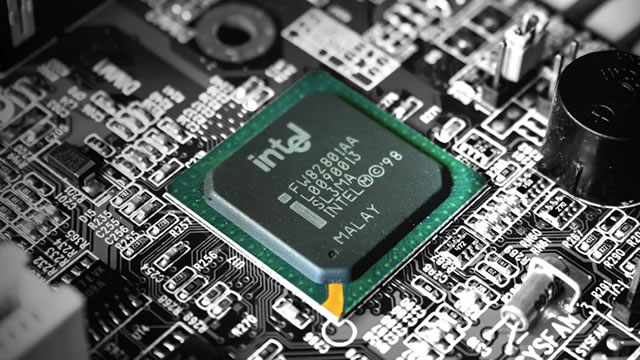
AI agents are creating a greater need for the types of central processing units Intel makes. The semiconductor leader is also making an interesting move in the quantum computing arena.

Intel (INTC +4.04%) primarily earns revenue by manufacturing advanced computing processors and technological solutions for client devices and data centers.

SANTA CLARA, Calif. & TEL AVIV, Israel--(BUSINESS WIRE)--Intel to Acquire Classiq to Create a Full-stack Quantum Computing Platform.
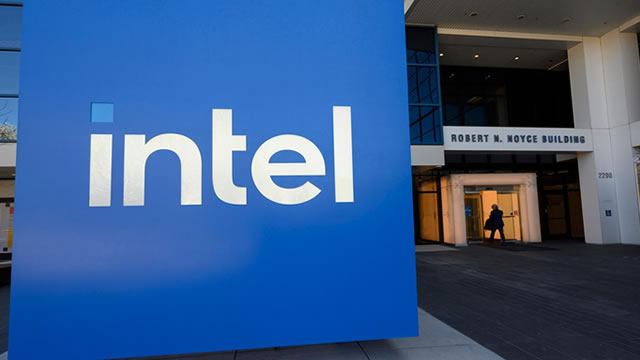
Intel Corporation is rated a Buy at $85-86, as the market underappreciates its improving fundamentals and foundry turnaround. DCAI segment margins soared from 16% to 39.5% YoY, driven by acute CPU shortages and pricing power amid surging agentic AI demand. Foundry losses are shrinking, with 18A yields and cost curves improving; Apple and Tesla pipeline signals validate strategic direction.
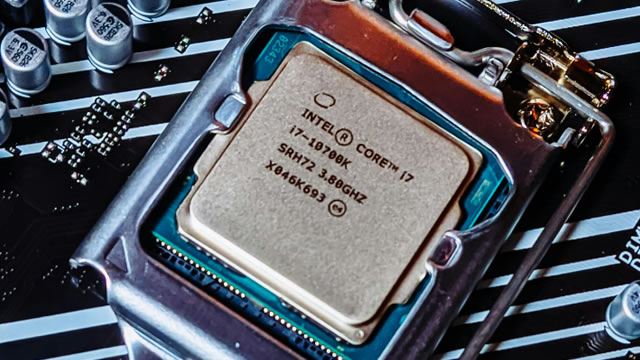
A Wall Street upgrade built on a shortage of server central processing unit (CPU) capacity has pushed Intel (NASDAQ:INTC | INTC Price Prediction) to the front of the chip group. Intel stock is at $91.
Intel Corp. (NASDAQ:INTC) stock rose more than 4% Monday as semiconductor stocks advanced with a broader technology rally ahead of the company's Oct. 29 earnings report.

Two legacy tech giants are both rebuilding from the inside out, but one is quietly compounding cash while the other bets billions on factories without a single named customer to show for it.
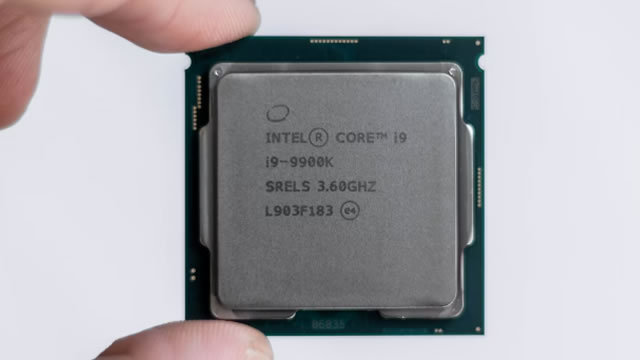
Intel Corporation is in the early stages of a multi-year turnaround driven by surging CPU server demand for AI inference workloads. INTC's financial outlook is robust, with forecasted FY26 revenue of $63.66B with multiple partnerships that will deliver long-term growth over the coming years. I reiterate a Strong Buy rating on INTC with a $164/share price target, supported by improving margins, foundry expansion, and strategic partnership talks.
Intel heads into Q3 earnings with rising estimates, strong AI initiatives and a 119.9% stock rally, but margin pressures and fierce competition pose risks.
Taiwan Semiconductor is delivering solid results. But the market loves Intel's turnaround story more.
Evaluate the expected performance of Intel (INTC) for the quarter ended September 2026, looking beyond the conventional Wall Street top-and-bottom-line estimates and examining some of its key metrics for better insight.
Intel Corporation maintains a Buy rating, with conviction rising as the stock trades near $87 ahead of Q3 earnings. Recent INTC stock volatility was driven by sector sentiment and competitive headlines, not by changes in Intel's fundamentals or earnings outlook. Server segment strength—48% ASP growth and 61% revenue gain—offsets PC weakness; volume growth is the next key lever.
Intel (NASDAQ: INTC) could have another catalyst to reclaim the $100 level as rising demand for artificial intelligence (AI) infrastructure supports its server processor business, according to RBC Capital.
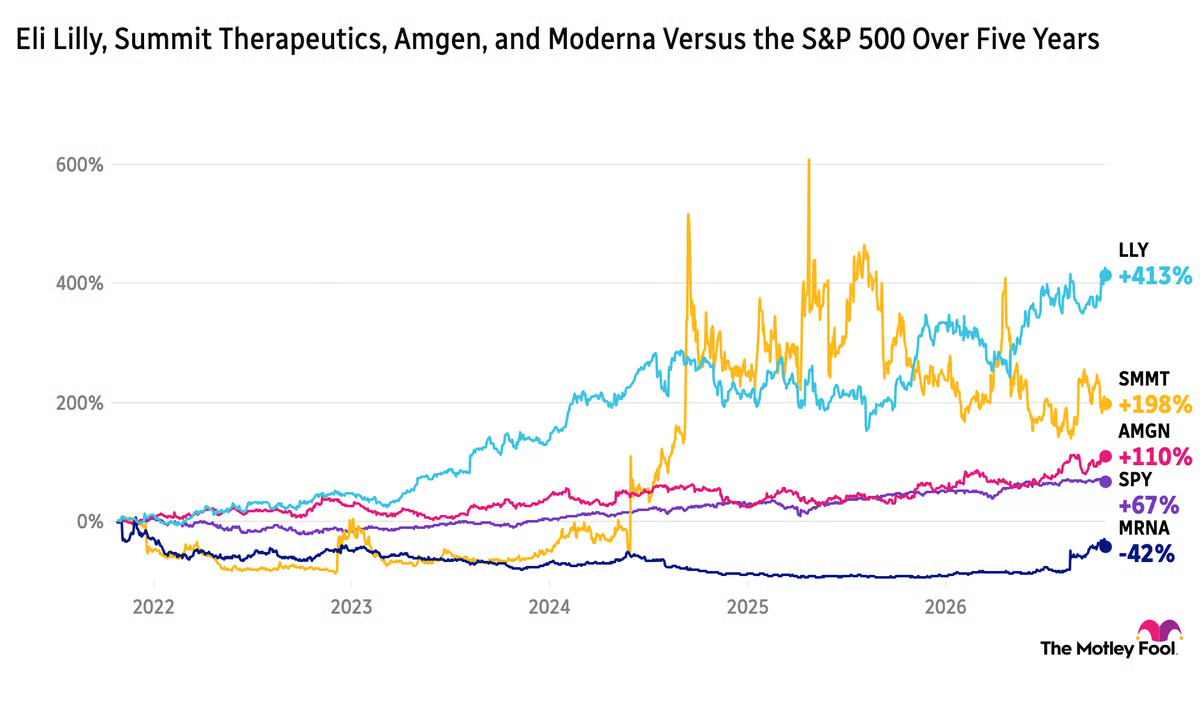
Cancer trial data shines at ESMO 2026, earnings flood after tough market week, and more…
SK Hynix currently displays a stronger overall revenue trajectory than Intel, as it successfully overtook its counterpart and maintained the lead throughout the majority of the past eight comparable quarters. While Intel largely maintained a relatively stable quarter-over-quarter revenue baseline over the last two years, SK Hynix experienced an outsized sequential expansion.
Intel (NASDAQ:INTC | INTC Price Prediction) reports third-quarter results on Oct. 29, and margins will shape how the market responds. Shares have slipped 13.24% since the July report.
Intel just posted its strongest revenue growth in more than 15 years, led by AI-driven demand. AI-related revenue made up 70% of Intel's total revenue in the second quarter.
Intel stock soared 24% the day after its April report, its best day since 1987. Intel's third-quarter outlook called for adjusted earnings per share of $0.38, down from $0.42 in the second quarter.

AMD and Intel stocks rose on Friday, rebounding after a sector-wide sell-off a day earlier as investors returned to select technology shares despite weakness across the broader market. Advanced Micro Devices (AMD) gained 2%, while Intel was up 1.76%.