Autoliv Advances Vehicle Safety Through Virtual Testing
Autoliv Advances Vehicle Safety Through Virtual Testing PR Newswire STOCKHOLM, Sept. 8, 2026
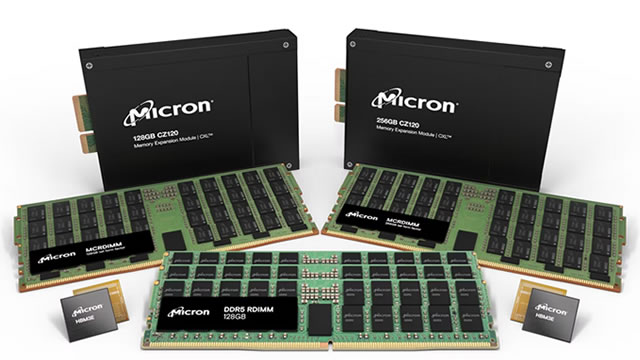
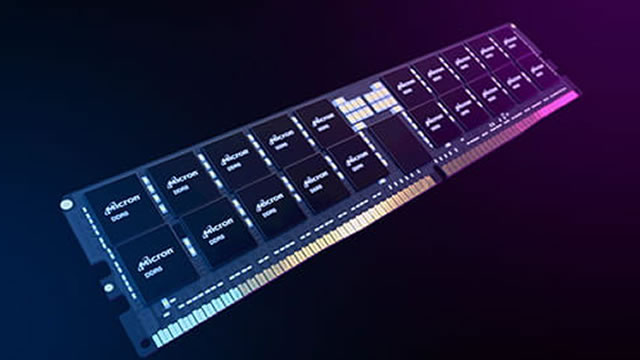
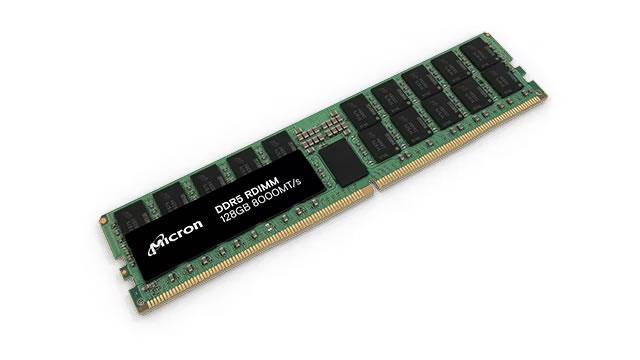
Micron Technology, Inc. stands at the center of the AI memory boom, with HBM3E supply sold out through 2027 and HBM4E ramping in 2027. Expectations for fiscal Q4 are ridiculously high. We think you need to see revenue above $54 billion, gross margins exceeding 86%, and EPS of at least $33 to avoid selling. The Data Center segment, driven by HBM demand, anchors MU's growth, while the Mobile and Client/PC segments benefit from rising memory content per device.
BlackRock Inc. bought a new position in shares of HudBay Minerals Inc (NYSE: HBM) (TSE: HBM) during the undefined quarter, according to the company in its most recent Form 13F filing with the Securities and Exchange Commission. The firm bought 576,685 shares of the mining company's stock, valued at approximately $13,616,000. BlackRock Inc. owned
SK hynix leads the high-bandwidth memory (HBM) market, holding a 50% share, but Samsung is rapidly gaining ground. I see SK hynix and Samsung dominating future memory markets due to their leadership in HBM, HBF, and emerging HBS technologies. Micron risks marginalization by not investing in HBF, as I believe HBM + HBF will replace current AI memory architectures.
Micron Technology (MU) is rated Buy, driven by persistent AI-induced memory shortages extending beyond HBM into DRAM and NAND. AI server demand from Dell and HPE, coupled with supply constraints, positions MU for sustained elevated earnings through at least FY2028. DRAM is the core earnings driver, with HBM growth tightening conventional DRAM supply and NAND providing a near-term tailwind.
Micron is positioned to show record results for fiscal 4Q26, driven by robust DRAM demand and AI-related tailwinds. HBM and LPDDR innovations are fueling data center growth, with HBM supply constraints supporting elevated memory pricing and long-term contracts booked through 2028. I view MU as a buy for long-term investors, despite cyclical risks and potential future supply/demand imbalances from new fab buildouts.
Memory shortages remain severe as HBM consumes DRAM capacity, preserving supplier pricing power despite already extraordinary price increases. SK hynix expects memory shortages through 2030, while its new Indiana HBM4E capacity will not arrive until 2029. Micron Technology, Inc. expects FY2027 CapEx above the mid-$40 billion range, yet meaningful greenfield bit supply begins around calendar 2028.
SK Hynix has positioned itself at the center of the AI supply ecosystem.
SK Hynix stock rebounded on Tuesday as South Korean chip stocks recovered from early losses, but a shift in the next generation of high-bandwidth memory is creating a new question for investors. The stock rose about 1.9% to 1.706 million won by 10:30 a.m.
China's memory-chip ambitions are moving into the heart of the artificial-intelligence supply chain. CXMT has begun producing small quantities of HBM3E, an advanced high-bandwidth memory used in AI chipsets, according to Reuters.
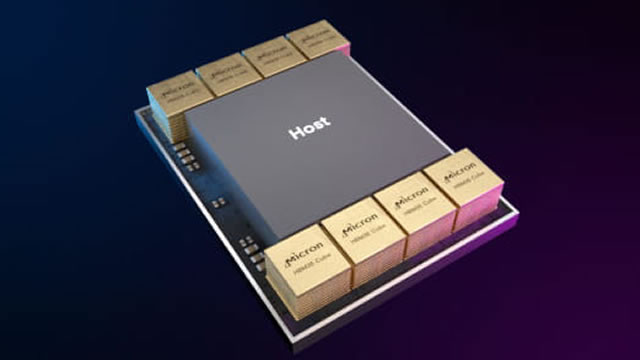
The AI boom is turning memory from a cyclical semiconductor component into critical infrastructure. Manufacturers can add factories, but advanced high-bandwidth memory (HBM) takes years to qualify, ramp, and produce at scale.
TORONTO, Aug. 28, 2026 (GLOBE NEWSWIRE) -- Hudbay Minerals Inc. (“Hudbay” or the “Company”) ( TSX, NYSE: HBM) today announced that the Company has filed an early warning report in respect of its holdings in Panoro Minerals Ltd. (“Panoro”) due to an increase in the number of issued and outstanding common shares in the capital of Panoro (“Common Shares”). Hudbay has not sold or disposed of any Common Shares.
SK hynix Holds Groundbreaking Ceremony for HBM Production Base in Indiana, "Beginning a New Future for US-Korea AI" PR Newswire
SK hynix delivered 257% revenue growth and 557% operating profit growth, while its operating margin reached a remarkable 76%. HBM4 entered mass production in Q2, while HBM4E follows in 2027, reinforcing SK hynix's technological lead. Approximately 10 customers have signed long-term agreements, often spanning five years with deposits and volume commitments supporting demand visibility.
SK hynix (SKHY) is poised to benefit from the AI-driven HBM memory boom, with custom HBM expanding its market into compute. Custom HBM integrates logic into memory, making SKHY's products harder to substitute and less cyclical than traditional memory. SKHY trades at 5x 2027 EPS; a partial rerating to 8x is justified if custom HBM gains traction, supporting a $210–$260 fair value range.
The DRAM memory market is expected to remain tighter for longer vs. the NAND market. This benefits Micron's 76% DRAM-focused portfolio. Faster-than-expected HBM market growth, tight market conditions, and Micron's high share in this segment are major growth catalysts. DRAM market tightness is expected through 2027 and beyond, with HBM TAM projected to surpass $100B in 2027, accelerating revenue growth.
SK hynix Inc. offers compelling valuation, trading at a forward P/E of 5.7 and a 13% free cash flow yield, despite recent volatility. SKHY maintains HBM leadership with 50% market share and robust gross margins but faces intensifying competition from Samsung and Micron. The current ADR premium is excessive at 38%, driven by structural constraints and forced selling; I expect this premium to narrow over time.
SK Hynix (SKHY), the South Korean memory-chip powerhouse powering the AI infrastructure boom, plunged approximately 8.4% to $156.90 Tuesday morning as investors
The artificial-intelligence buildout is creating an unusual problem for semiconductor investors: demand is arriving faster than the supply chain can deliver the most advanced components.
HBM demand is rising fast enough to absorb a growing share of global DRAM capacity. HBM uses far more wafer capacity than conventional DRAM.